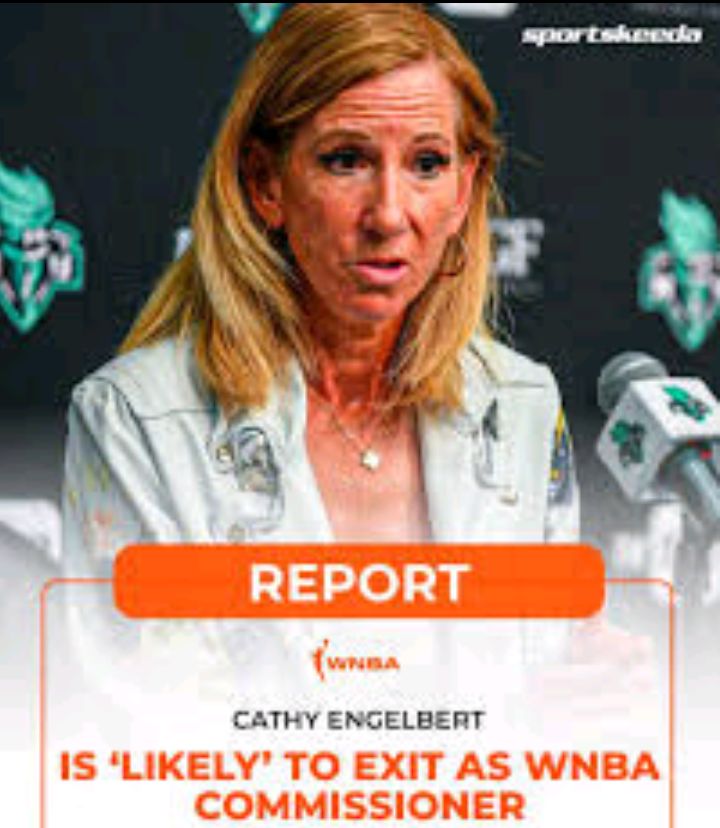
After six transformative yet tumultuous years at the helm, WNBA Commissioner **Cathy Engelbert** has announced she will step down from her position effective **February 1, 2026**. The decision marks the end of an era defined by explosive growth, landmark expansions, and persistent labor tensions that ultimately shaped her tenure.
Engelbert, who took office in July 2019 as the league’s first commissioner (previously the role was titled president), oversaw one of the most dynamic periods in WNBA history. Under her leadership, the league secured a groundbreaking 11-year media rights deal, experienced record attendance and viewership surges—fueled in part by the arrival of superstar rookies like Caitlin Clark—and launched ambitious expansion plans. New franchises in Toronto and Portland are slated to join in 2026, with additional teams in Cleveland, Detroit, and Philadelphia on the horizon through 2030. Revenue skyrocketed, franchise valuations soared, and corporate partnerships flourished, positioning the WNBA as a powerhouse in women’s professional sports.
However, Engelbert’s time was not without controversy. The past year was dominated by heated collective bargaining agreement (CBA) negotiations with the Women’s National Basketball Players Association (WNBPA). Players, led by vocal critics like Minnesota Lynx star Napheesa Collier, expressed deep frustration over issues including player compensation, officiating quality, and perceived lack of accountability from league leadership. Collier’s viral statement calling the WNBA’s front office “the worst leadership in the world” highlighted longstanding grievances, with many feeling that the league’s rapid revenue growth had not translated into equitable gains for athletes.
Despite public denials and assertions that she had “never been a quitter,” sources close to the league indicated mounting pressure from owners, players, and NBA executives—given that the WNBA operates under the NBA’s umbrella. The CBA talks reached a stalemate, passing the January 9, 2026 deadline without resolution and entering a moratorium period, raising fears of a potential work stoppage that could jeopardize the upcoming season.
In a brief statement released today, Engelbert reflected on her tenure: “Leading the WNBA through unprecedented growth has been the honor of my professional life. We’ve built something extraordinary together, but I believe now is the right time for fresh leadership to guide the league into its next chapter.” She expressed gratitude to players, teams, fans, and NBA Commissioner Adam Silver, who praised her for delivering “some of the strongest growth we’ve seen in any sports league.”
The announcement comes amid ongoing uncertainty, with the league still searching for a successor capable of bridging divides and sustaining momentum. As the WNBA prepares for a pivotal 2026 season, Engelbert’s departure signals a turning point—one that will test the league’s ability to balance commercial success with player empowerment
About the Author