More than 160 people were reported injured, including several in critical condition, after Iranian missile strikes hit two towns in southern Israel. The attacks occurred in areas located close to a highly sensitive nuclear research facility, raising immediate concerns among emergency responders and authorities. The scale of the damage and number of casualties highlight the severity of the incident.
According to Iranian state media, the strike on Dimona was carried out as retaliation for an earlier attack on Iran’s nuclear infrastructure. Dimona is known for its proximity to the Shimon Peres Negev Nuclear Research Center, a site widely associated with Israel’s long-standing but officially undeclared nuclear programme. The location has remained one of the most strategically sensitive areas in the country.
The Israeli military confirmed that at least one missile directly struck a building in the city, intensifying fears about potential damage to nearby facilities. However, the International Atomic Energy Agency stated that it had no immediate information indicating any damage to the nuclear research center itself. This provided a measure of reassurance amid rising tensions.
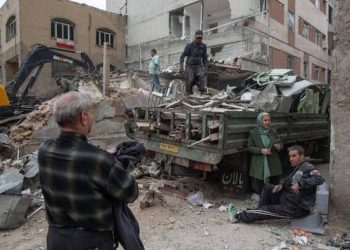
In the nearby town of Arad, residents described the explosions as deeply alarming. Several buildings were heavily damaged, and a large crater was left behind by the impact. Emergency responders reported numerous injuries, with victims suffering from varying degrees of harm. A similar situation unfolded in Dimona, where additional damage and casualties were recorded.
Authorities in Israel are now examining how the missiles managed to bypass air defense systems, as interception attempts reportedly failed to stop the incoming threats. The incident underscores the escalating conflict dynamics in the region, particularly concerning nuclear capabilities. While Iran has also raised concerns about attacks on its own facilities, both sides remain locked in a tense standoff with significant global implications.