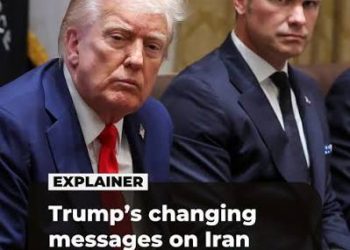
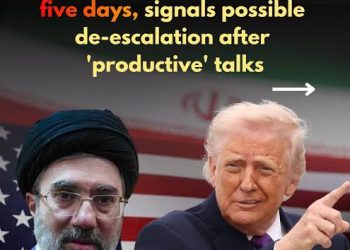
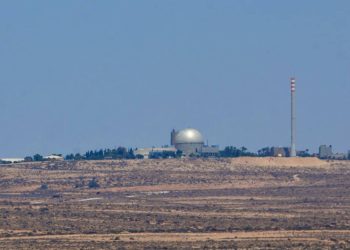
As the conflict between the United States and Iran stretches into its fourth week, uncertainty continues to surround the purpose and direction of the war. There appears to be no clearly defined strategy, no outlined path to resolution, and no consistent justification explaining why the engagement began in the first place. At the same time, the domestic impact is becoming more noticeable, with rising fuel costs, growing economic concerns, and a request from the Pentagon for an additional $200 billion to sustain military operations.
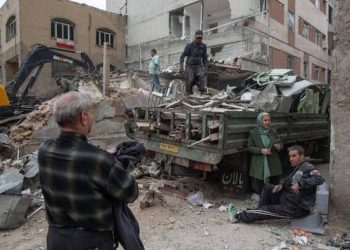
The rationale behind the war, reportedly based on the president’s personal judgment, contrasts sharply with its tangible consequences. Civilian casualties have already been reported, including a devastating strike on a girls’ school in Iran that allegedly claimed the lives of 150 students. On the American side, thirteen service members have lost their lives, with several deaths attributed to Iranian attacks, while more than 200 others have sustained injuries. Despite these losses, remarks suggesting that casualties are an inevitable part of war have sparked criticism and concern among observers.
Insights from individuals within the military paint a troubling picture of morale. Conversations with active-duty personnel, reservists, and veteran advocates reveal increasing stress, vulnerability, and frustration among troops. Some service members have expressed deep skepticism about the mission, with fears that a potential ground invasion could lead to severe consequences. Others report a growing sense of disillusionment, with some even reconsidering their commitment to military service altogether, citing concerns about being used as instruments in political conflicts.
At the same time, tensions between the administration and the media have intensified. Critical coverage of the war has been met with accusations of disloyalty and bias, alongside suggestions of stricter oversight on broadcasters. Statements about reshaping the media landscape and warnings directed at outlets reporting negatively on the conflict have raised alarms about press freedom and the role of journalism in holding leadership accountable.
Despite these pressures, some news organizations remain committed to independent reporting. The ongoing situation highlights the importance of a free press, particularly during times of conflict when transparency is crucial. As debates continue over the war’s purpose and consequences, the role of journalism in informing the public and questioning authority remains as vital as ever.