9INENEWS
  • AMERICAN FOOTBALL
  • BASEBALL
  • BASKETBALL
  • COLLEGE SPORTS
  • FOOTBALL
  • ICE-HOCKEY
  • RUGBY
Subscribe
9INENEWS
  • AMERICAN FOOTBALL
  • BASEBALL
  • BASKETBALL
  • COLLEGE SPORTS
  • FOOTBALL
  • ICE-HOCKEY
  • RUGBY
No Result
View All Result
9INENEWS
No Result
View All Result
  • AMERICAN FOOTBALL
  • BASEBALL
  • BASKETBALL
  • COLLEGE SPORTS
  • FOOTBALL
  • ICE-HOCKEY
  • RUGBY
Home Uncategorized

Trump Criticizes Pope Leo Amid Rising Tensions Over War and Politics

by Chagba Godwin
April 13, 2026
in Uncategorized
0

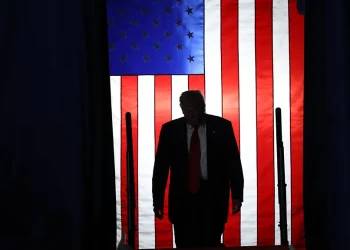
 growing clash between political authority and religious leadership has taken center stage, as former U.S. President Donald Trump publicly criticized Pope Leo XIV, one of the most influential voices calling for peace amid global conflict. The pope had recently spoken out against the ongoing war in the Middle East, condemning violence, materialism, and what he described as the moral failings driving instability. His remarks, aimed at promoting restraint and reflection, appear to have provoked a sharp response from Trump.

In a lengthy social media post, Trump launched a direct and personal attack on the pontiff, questioning both his leadership and political stance. He portrayed the pope as overly liberal and ineffective on key issues such as crime and foreign policy, while also making the striking claim that his own presidency played a role in Leo’s rise to the papacy. The comments were delivered shortly after a weekend marked by political tension, including unsuccessful diplomatic efforts abroad and public appearances at high-profile events.

The exchange highlights a stark contrast in leadership styles between the two figures. While Pope Leo has consistently emphasized peace, humility, and moral responsibility, Trump’s approach has been more confrontational, often escalating disagreements through public statements. Despite previously avoiding direct confrontation, the pope has grown increasingly vocal in his criticism of policies linked to the administration, particularly regarding military actions and the use of religious language to justify conflict.

Religious leaders and members of the Catholic community were quick to respond to the remarks, with several prominent figures defending the pope’s position. They emphasized that his role is rooted in spiritual guidance rather than political rivalry, expressing concern over the tone and nature of the criticism. The backlash reflects a broader unease among some observers about the intersection of politics, religion, and public discourse.

At its core, the situation underscores deeper tensions surrounding global conflict, leadership responsibility, and the influence of powerful voices on public opinion. As the war continues and debates intensify, the disagreement between Trump and Pope Leo serves as a vivid example of how differing worldviews can shape responses to crisis. It also signals that conversations about morality, authority, and accountability are far from settled in today’s political landscape.

Previous Post

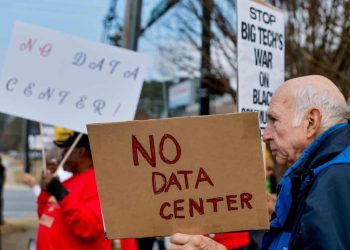
Growing Opposition to AI Data Centres Signals Trouble for Big Tech A surprising alliance is beginning to take shape across the United States, as groups with sharply different political views unite over a common concern. From conservative voters in traditionally Republican regions to progressive activists and educators in liberal states, resistance is mounting against the rapid expansion of artificial intelligence data centres. What once seemed like a purely technological or economic issue is now evolving into a broader public debate about corporate influence and community impact. This wave of opposition has caught policymakers off guard, particularly at the federal level where accelerating AI infrastructure has been treated as a national priority. Early policy decisions encouraged fast-tracked development with minimal regulatory hurdles, largely to maintain a competitive edge in the global AI race. Backed by major technology corporations investing hundreds of billions of dollars, the push for rapid construction has been intense. However, the speed and scale of these projects have raised concerns that long-term consequences are being overlooked. At the state level, governments that initially welcomed these investments are beginning to face backlash from residents. While data centres promise economic growth, they also bring significant strain on local resources. Increased electricity consumption can drive up utility costs, while heavy water usage and pressure on infrastructure create additional challenges for surrounding communities. As these impacts become more visible, frustration is growing among citizens who feel their needs are being sidelined in favor of corporate interests. Political leaders are now starting to reassess their positions. Some who once competed to attract tech investment are calling for stronger oversight and more balanced approaches. The issue is gaining traction across party lines, with debates focusing not only on economic benefits but also on environmental sustainability and social equity. As more projects face delays or cancellations due to local resistance, it is clear that unchecked expansion is no longer politically viable. Underlying this shift is a broader unease about the role of artificial intelligence in society. While experts remain optimistic about its long-term benefits, public opinion is far more cautious. Concerns about job displacement, environmental costs, and widening inequality are fueling skepticism. The growing resistance to data centre development reflects a deeper demand for accountability, signaling that communities are no longer willing to accept technological progress without meaningful safeguards.

Next Post

Adam Kinzinger Speaks on US Politics and the Future of Democracy

Related Posts

Growing Opposition to AI Data Centres Signals Trouble for Big Tech A surprising alliance is beginning to take shape across the United States, as groups with sharply different political views unite over a common concern. From conservative voters in traditionally Republican regions to progressive activists and educators in liberal states, resistance is mounting against the rapid expansion of artificial intelligence data centres. What once seemed like a purely technological or economic issue is now evolving into a broader public debate about corporate influence and community impact. This wave of opposition has caught policymakers off guard, particularly at the federal level where accelerating AI infrastructure has been treated as a national priority. Early policy decisions encouraged fast-tracked development with minimal regulatory hurdles, largely to maintain a competitive edge in the global AI race. Backed by major technology corporations investing hundreds of billions of dollars, the push for rapid construction has been intense. However, the speed and scale of these projects have raised concerns that long-term consequences are being overlooked. At the state level, governments that initially welcomed these investments are beginning to face backlash from residents. While data centres promise economic growth, they also bring significant strain on local resources. Increased electricity consumption can drive up utility costs, while heavy water usage and pressure on infrastructure create additional challenges for surrounding communities. As these impacts become more visible, frustration is growing among citizens who feel their needs are being sidelined in favor of corporate interests. Political leaders are now starting to reassess their positions. Some who once competed to attract tech investment are calling for stronger oversight and more balanced approaches. The issue is gaining traction across party lines, with debates focusing not only on economic benefits but also on environmental sustainability and social equity. As more projects face delays or cancellations due to local resistance, it is clear that unchecked expansion is no longer politically viable. Underlying this shift is a broader unease about the role of artificial intelligence in society. While experts remain optimistic about its long-term benefits, public opinion is far more cautious. Concerns about job displacement, environmental costs, and widening inequality are fueling skepticism. The growing resistance to data centre development reflects a deeper demand for accountability, signaling that communities are no longer willing to accept technological progress without meaningful safeguards.
Uncategorized

Growing Opposition to AI Data Centres Signals Trouble for Big Tech A surprising alliance is beginning to take shape across the United States, as groups with sharply different political views unite over a common concern. From conservative voters in traditionally Republican regions to progressive activists and educators in liberal states, resistance is mounting against the rapid expansion of artificial intelligence data centres. What once seemed like a purely technological or economic issue is now evolving into a broader public debate about corporate influence and community impact. This wave of opposition has caught policymakers off guard, particularly at the federal level where accelerating AI infrastructure has been treated as a national priority. Early policy decisions encouraged fast-tracked development with minimal regulatory hurdles, largely to maintain a competitive edge in the global AI race. Backed by major technology corporations investing hundreds of billions of dollars, the push for rapid construction has been intense. However, the speed and scale of these projects have raised concerns that long-term consequences are being overlooked. At the state level, governments that initially welcomed these investments are beginning to face backlash from residents. While data centres promise economic growth, they also bring significant strain on local resources. Increased electricity consumption can drive up utility costs, while heavy water usage and pressure on infrastructure create additional challenges for surrounding communities. As these impacts become more visible, frustration is growing among citizens who feel their needs are being sidelined in favor of corporate interests. Political leaders are now starting to reassess their positions. Some who once competed to attract tech investment are calling for stronger oversight and more balanced approaches. The issue is gaining traction across party lines, with debates focusing not only on economic benefits but also on environmental sustainability and social equity. As more projects face delays or cancellations due to local resistance, it is clear that unchecked expansion is no longer politically viable. Underlying this shift is a broader unease about the role of artificial intelligence in society. While experts remain optimistic about its long-term benefits, public opinion is far more cautious. Concerns about job displacement, environmental costs, and widening inequality are fueling skepticism. The growing resistance to data centre development reflects a deeper demand for accountability, signaling that communities are no longer willing to accept technological progress without meaningful safeguards.

April 13, 2026
Comparing the Most Iconic Driver Engineer Partnerships in Formula 1
Uncategorized

Comparing the Most Iconic Driver Engineer Partnerships in Formula 1

April 12, 2026
US Moves to Secure Oil Flow Through Strait of Hormuz
Uncategorized

US Moves to Secure Oil Flow Through Strait of Hormuz

April 12, 2026
How US Politics Is Shaping Global Travel Decisions in 2026
Uncategorized

How US Politics Is Shaping Global Travel Decisions in 2026

April 12, 2026
Why Keanu Reeves Shines in the Comedy Film Outcome
Uncategorized

Why Keanu Reeves Shines in the Comedy Film Outcome

April 12, 2026
Uncategorized

US Iran Nuclear Talks End Without Deal as Uncertainty Grows

April 12, 2026

Leave a Reply Cancel reply

Your email address will not be published. Required fields are marked *

Recent Posts

  • Wayne Rooney Says Manchester City Hold Psychological Edge Over Arsenal in Premier League Title Race
  • Italy Could Still Qualify for 2026 World Cup Amid Iran Uncertainty
  • How Trump Policies Are Reshaping US China Economic Relations
  • Adam Kinzinger Speaks on US Politics and the Future of Democracy
  • Trump Criticizes Pope Leo Amid Rising Tensions Over War and Politics
Plugin Install : Widget Tab Post needs JNews - View Counter to be installed
  • Trending
  • Comments
  • Latest

BYU to Face Ohio State in 2026 College Basketball Season Opener The upcoming 2026–27 college

April 10, 2026

NCAA Final Four Betting Odds Tighten as Tournament Trends and Masters Highlights Take Center Stage Betting buzz: Men’s Final Four features tightest spreads on record

April 9, 2026

Best Fantasy Basketball Picks and NBA Betting Tips for Thursday Night Games Fantasy basketball picks, DFS and betting tips for Thursday’s NBA games

April 9, 2026

Vd3n41F

April 6, 2026

Recent News

BYU to Face Ohio State in 2026 College Basketball Season Opener The upcoming 2026–27 college

April 10, 2026

NCAA Final Four Betting Odds Tighten as Tournament Trends and Masters Highlights Take Center Stage Betting buzz: Men’s Final Four features tightest spreads on record

April 9, 2026

Categories

  • AMERICAN FOOTBALL
  • Arizona State devils
  • Aussie
  • BASEBALL
  • BASKETBALL
  • Birmingham City
  • Boxing
  • COLLEGE SPORTS
  • Dallas cowboys
  • Detroit Lions
  • Detroit tigers
  • FOOTBALL
  • Golf
  • Handball
  • ICE-HOCKEY
  • Liam Payne
  • Los Angeles Lakers
  • Marc Marquez
  • Motorcross
  • Music
  • NASCAR
  • New York Mets
  • NFL
  • Notre Dame'
  • Ohio State University
  • PENRITH PANTHERS
  • R&B
  • RUGBY
  • SEC
  • Space launch
  • Tennis
  • Uncategorized
  • VOLLEYBALL

We strive to turn our passion for NEWS, SPORTS, CELEBRITY & LIFESTYLE into a thriving website. 

I will keep on posting such valuable and knowledgeable information on my Website for all of you. Your love and support matters a lot.

9inenews | Copyright © Reserve 2023-2024

No Result
View All Result
  • AMERICAN FOOTBALL
  • BASEBALL
  • BASKETBALL
  • COLLEGE SPORTS
  • FOOTBALL
  • ICE-HOCKEY
  • RUGBY

9inenews | Copyright © Reserve 2023-2024