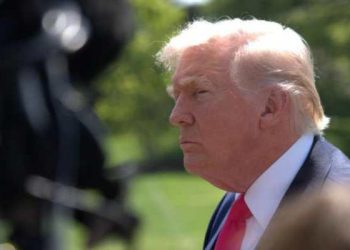
A growing coalition of journalists and media organizations is raising concerns ahead of the upcoming White House Correspondents’ Dinner, where Donald Trump is expected to appear. This marks his first attendance at the event while serving as president, and it has sparked strong reactions from over 200 members of the press and advocacy groups. Many within the media community see the occasion as more than just a social gathering, urging organizers to treat it as a moment to stand firmly for press freedom.
In an open letter addressed to the White House Correspondents’ Association, the coalition called for a more assertive stance against what they describe as ongoing threats to the First Amendment. While some attendees plan to express quiet dissent by wearing symbolic pins, the group insists that such gestures are not enough. Instead, they want the association to openly challenge the administration’s actions and send a clear message in defense of independent journalism.
The letter, signed by major press organizations and notable figures like Ann Curry and Dan Rather, argues that the current political climate demands a stronger response. According to the signatories, the traditional tone of the event feels out of place given what they view as repeated attacks on the media. They stress that continuing with business as usual risks normalizing behavior that undermines the role of a free press in a democratic society.
Critics of the administration point to several actions they believe have weakened press freedom, including lawsuits against media outlets, funding cuts to public broadcasters, and restrictions on journalists’ access to key government spaces. There are also concerns about regulatory pressures placed on news organizations. Altogether, these measures are described in the letter as an unprecedented challenge to the independence of the press in modern U.S. history.
The White House Correspondents’ Dinner, often nicknamed “nerd prom,” has long been a staple of Washington’s political and media culture, blending humor, networking, and tradition. However, it has also faced criticism for fostering overly friendly relationships between journalists and political figures. This year’s debate highlights a deeper tension about the event’s purpose, with many arguing that celebrating press freedom while overlooking perceived threats to it creates a contradiction that can no longer be ignored.
Journalists Push Back as Trump Plans to Attend Correspondents Dinner
Related Posts
Leave a Reply
Plugin Install : Widget Tab Post needs JNews - View Counter to be installed
- Trending
- Comments
- Latest