The WNBA may delay the start of its 2026 season if a new collective bargaining agreement is not finalized by early March. League officials have indicated that without a formal term sheet agreed upon with the Women’s National Basketball Players’ Association, the scheduled May 8 tip-off could be pushed back. As negotiations intensify, financial structure — particularly player salaries and revenue sharing — remains the central point of discussion.
 Recent reports suggest the league has proposed a significant jump in its supermax salary. Under the rumored framework, the top individual salary would rise to $1.13 million, alongside a team salary cap of $5.65 million across 15 franchises, including expansion teams such as the Portland Fire and Toronto Tempo. This marks a dramatic increase from the previous 2020 agreement, where the supermax salary stood at $249,000. The proposed changes reflect the league’s evolving financial landscape and growing commercial momentum.
However, the players’ union is reportedly seeking a higher salary cap — close to $9.5 million — in addition to a percentage-based share of gross league revenue. Revenue sharing has become one of the most sensitive and pivotal issues in negotiations, as players push for compensation structures that better align with the league’s rising visibility, sponsorship growth, and broadcast deals.
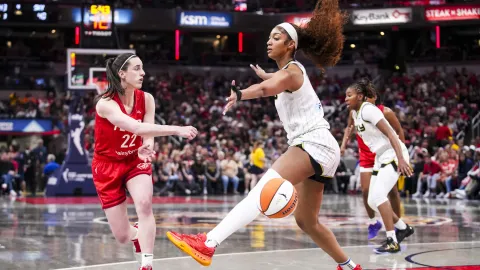
If a new agreement is reached, some of the league’s brightest stars are expected to benefit immediately. High-profile talents such as Caitlin Clark, Angel Reese, and Paige Bueckers are currently playing on rookie-scale contracts worth under $100,000 annually. A revised supermax structure would open the door for substantial salary increases once they negotiate new deals.
Regardless of where negotiations ultimately land, it is clear that the financial future of the WNBA is at a turning point. With expansion on the horizon and player marketability at an all-time high, the outcome of these talks could reshape compensation standards and set the tone for the league’s next era of growth.