


















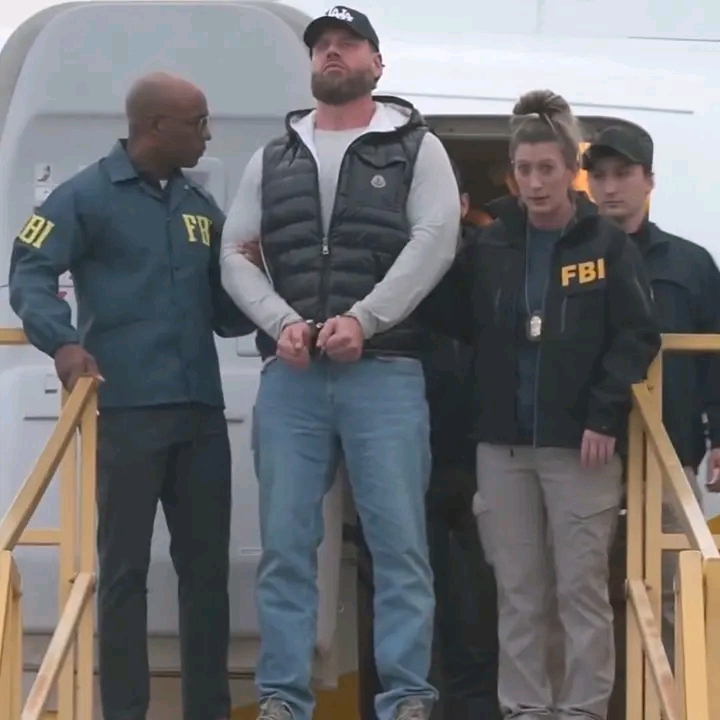
IIn a dramatic turn of events, former Canadian Olympic snowboarder Ryan Wedding was brought to the United States in handcuffs on January 23, 2026, following his arrest in Mexico. The 43-year-old athlete, once a competitor in the 2002 Winter Olympics in Salt Lake City, had been on the run for nearly a decade and featured on the FBI’s Ten Most Wanted Fugitives list since March 2025, with a $15 million reward offered for information leading to his capture.
Wedding, who represented Canada in parallel giant slalom snowboarding, allegedly transformed from a professional athlete into a major figure in international organized crime. U.S. authorities accuse him of leading a transnational drug trafficking organization linked to the Sinaloa Cartel. The operation reportedly smuggled massive quantities of cocaine—estimated at up to 60 metric tons—into the United States, generating millions in illicit profits that were laundered through various channels.
Beyond drug charges, Wedding faces serious allegations of orchestrating multiple murders. Prosecutors claim he ordered the killings of a federal witness, members of a Canadian family in retaliation for a stolen drug shipment, and other individuals in Canada and Mexico as part of maintaining control over his criminal enterprise. The charges include racketeering, conspiracy to distribute cocaine, money laundering, murder in aid of racketeering, and witness tampering.
The arrest in Mexico City marked the end of a prolonged manhunt. FBI footage captured the moment Wedding, escorted by agents, arrived in Southern California—specifically Ontario, California—wearing handcuffs and an orange jumpsuit, symbolizing his fall from Olympic glory to federal custody. He is expected to face trial in the U.S. District Court, where he could face life imprisonment or even the death penalty if convicted on the murder-related counts.
Wedding’s case highlights the stark contrast between his early athletic success and his alleged descent into violence and narco-trafficking. Authorities described him as a “significant” player in cross-border crime, underscoring ongoing efforts to dismantle cartel-affiliated networks.