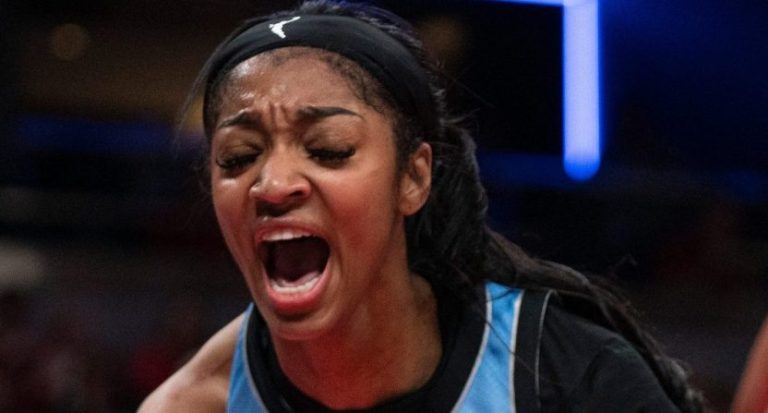
The deadline to finalize a new collective bargaining agreement between the WNBA and its players has been pushed back once again, underscoring how challenging the negotiations have become. After the original October 31 cutoff passed without a deal, both sides agreed to extend talks until January 9. Despite continued discussions, the league and the WNBA Players Association still appear far apart on key issues, creating uncertainty around the future framework of the league.
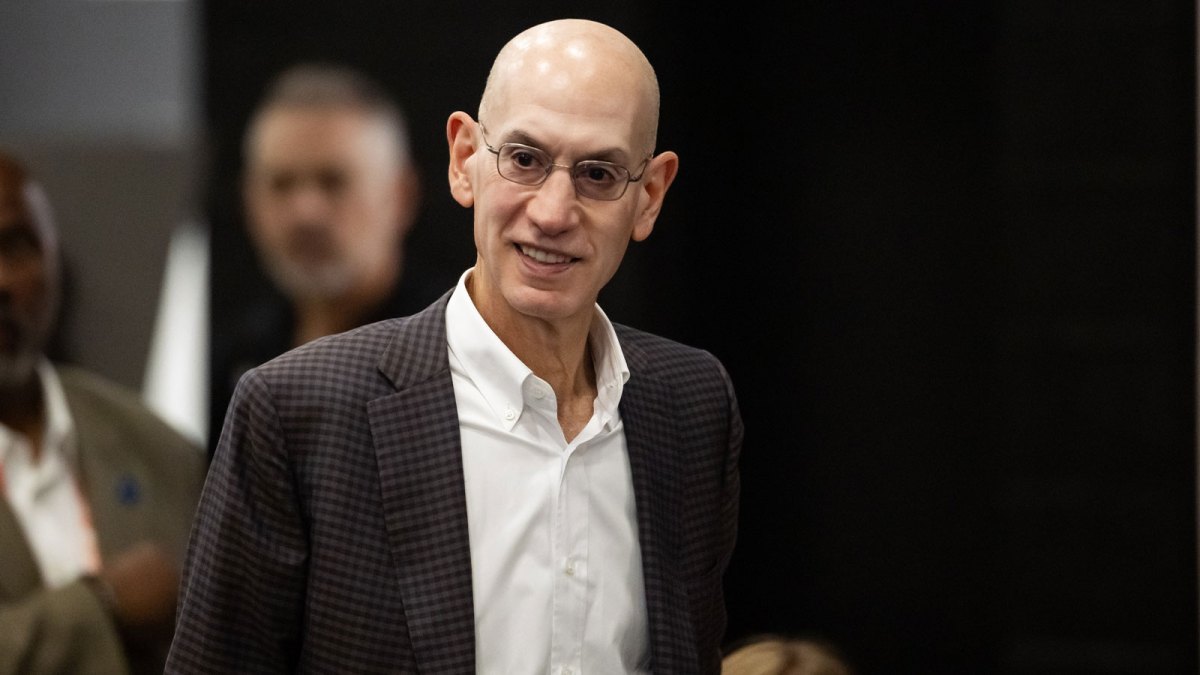
As negotiations stretch on, NBA commissioner Adam Silver has acknowledged that he could become directly involved if circumstances require it. Speaking ahead of the NBA Cup championship game, Silver expressed cautious optimism about the process while emphasizing his readiness to assist. He noted that the willingness of both parties to extend the deadline suggests there is still a meaningful chance to reach common ground, rather than talks breaking down entirely.
Silver made it clear that league leadership is prepared to support the process in whatever way helps move it forward. According to him, the decision to continue negotiating into January would not have happened unless both sides believed progress was possible. His comments reflect an effort to project stability and confidence during a period when tensions around the negotiations have been increasingly visible.
The timing of these talks is especially significant given the WNBA’s rapid growth in recent years. Rising popularity, expanding media coverage, and increased revenue have raised expectations for what this next CBA could represent. While player salaries and revenue sharing remain central points of discussion, they are far from the only priorities on the table for the players.
Additional concerns such as improved parental benefits and expanded mental health resources have also emerged as important bargaining points. One notable proposal from the players’ association involves adding two developmental roster spots per team beyond the current 12-player limit. If adopted, this change could provide teams with more flexibility during the season, help manage injuries more effectively, and create new opportunities for player development as the league continues to evolve.