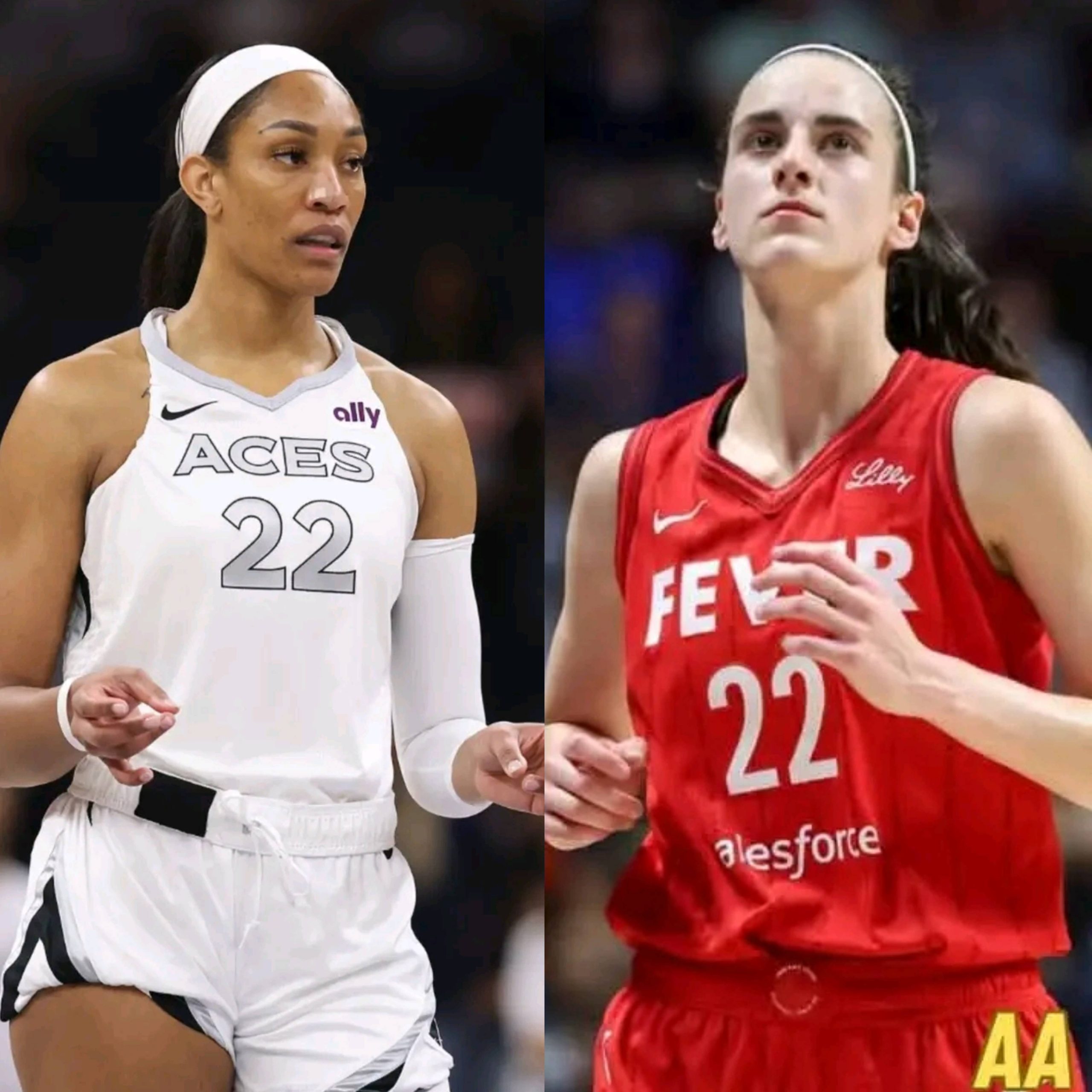
A’ja Wilson Calls Out Caitlin Clark ‘Savior’ Narrative: Preserving WNBA’s Roots…
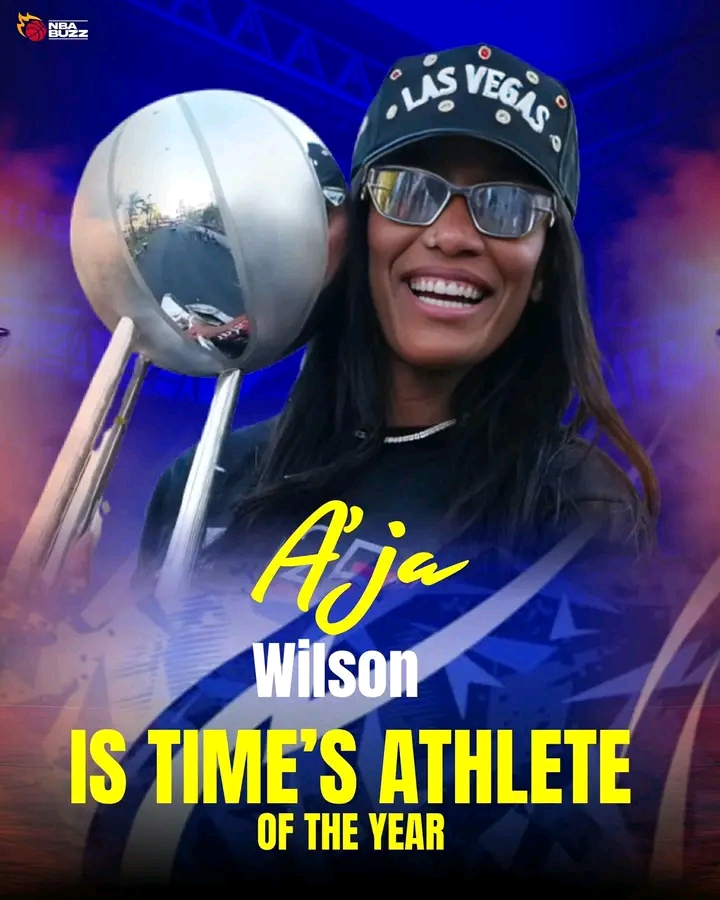
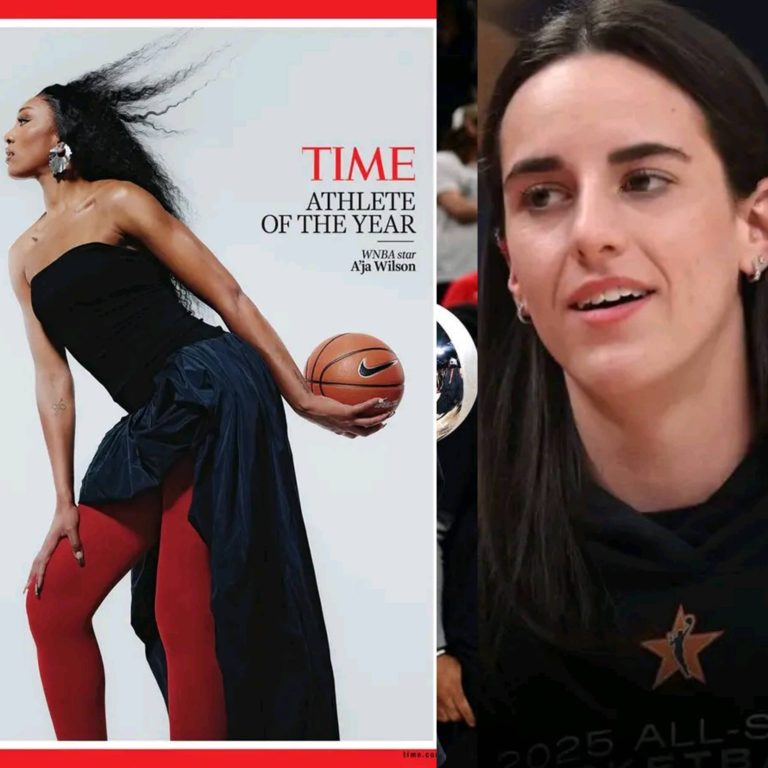
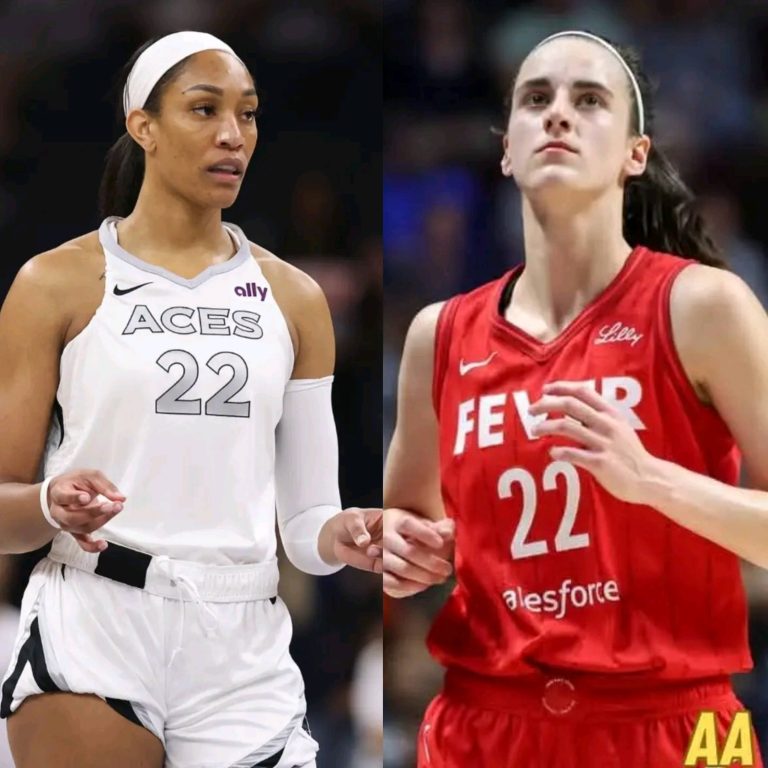
In a candid TIME magazine feature naming her the 2025 Athlete of the Year, Las Vegas Aces superstar A’ja Wilson didn’t mince words about the hype surrounding Indiana Fever rookie Caitlin Clark. “It bothered me,” Wilson admitted, addressing the pervasive storyline that Clark single-handedly rescued the WNBA from obscurity. “It wasn’t a hit at me, because I’m going to do me regardless. I’m going to win this MVP, I’ll win a gold medal—y’all can’t shake my résumé. It was more so, let’s not lose the recipe. Let’s not lose the history. It was erased for a minute. And I don’t like that.”
Wilson’s remarks, published December 9, 2025, cut through the noise of a league transformed by Clark’s arrival. The Iowa phenom’s 2024 debut shattered viewership records, drawing millions to games and igniting sold-out arenas. Fever broadcasts averaged triple-digit ratings spikes, and the WNBA’s media deal soared to $2.2 billion. But beneath the excitement lurked a divisive undercurrent: a racially charged myth that credited Clark— a white phenom—with “saving” a league built brick by brick by Black trailblazers.
From Sheryl Swoopes’ pioneering dunks in the ’90s to Lisa Leslie’s scoring milestones and Tamika Catchings’ defensive wizardry, Black women have been the WNBA’s backbone. They’ve endured grueling bus trips, meager salaries, and sparse crowds, turning a fledgling league into a powerhouse. Wilson, a four-time MVP and two-time Olympic gold medalist, embodies that grit. In 2025, she led the Aces to their third title in four years, sweeping awards for MVP, Finals MVP, and Defensive Player of the Year—proving the league’s depth beyond one star.
The narrative’s sting peaked during the 2024 Paris Olympics, when Clark’s Team USA snub sparked backlash. Fans decried the gold-medal-winning squad—anchored by Wilson—as incomplete without her, implying veterans like the Aces center needed saving. Wilson felt the erasure acutely. “We have tons of women that have been through the grimiest of grimy things to get the league where it is today,” she told TIME, her voice a rallying cry for recognition.
Clark, to her credit, has echoed similar frustrations. In a February 2025 Olympics.com interview, she rejected the “attention-grabber” label, praising Black pioneers: “This league has kind of been built on them.” Yet, the damage lingered, fueling toxic online debates and even commissioner Cathy Engelbert’s alleged remarks that players should “thank their lucky stars” for Clark’s boost—a comment Minnesota Lynx star Napheesa Collier publicly blasted in September.
Vindication came in 2025. With Clark sidelined by injury for much of the season, viewership still rose 5-6% on ESPN, underscoring the WNBA’s collective star power. Wilson’s dominance—averaging 27 points, 12 rebounds, and three blocks—reminded fans of the “recipe” she defended: resilience, excellence, and sisterhood.
As CBA talks drag toward a January 2026 deadline, demanding fairer revenue shares, Wilson’s words resonate louder. The WNBA isn’t salvaged; it’s elevated. Clark’s spark lit the fire, but Black women like Wilson fanned the flames. In honoring history, the league honors its future—one unerasable legacy at a time.