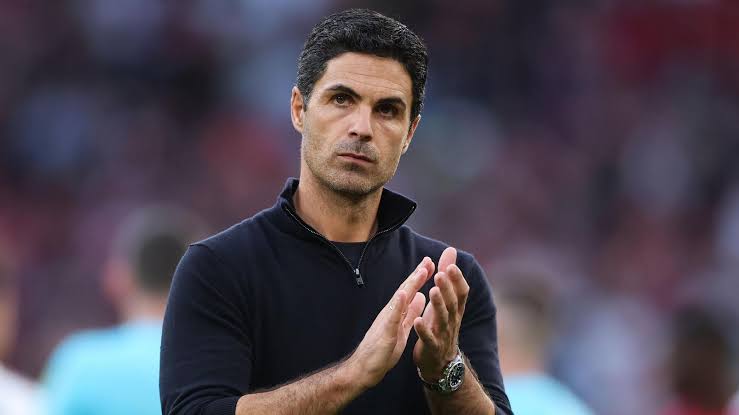
Mikel Arteta cut a calm, assured figure as he reflected on his side’s performance, brushing aside concerns about Chelsea’s attacking threat and instead zeroing in on what he called the decisive factor: winning key moments in the second half.
Despite Chelsea’s reputation for pace, creativity, and sudden momentum shifts, the Arsenal manager made it clear that fear was never part of the game plan. For Arteta, preparation, emotional control, and timing mattered far more than reputations or noise from the opposition.
“We knew what Chelsea could do,” Arteta said. “They have quality players who can change games quickly. But football isn’t about worrying—it’s about understanding the moment you’re in and taking control of it.”
That philosophy came to life after the break. While the first half was marked by caution and tactical probing from both sides, Arsenal emerged with sharper intent in the second period. Their pressing was more coordinated, their passing more vertical, and their decision-making more ruthless.
Arteta emphasized that the halftime message was simple: stay present.
“Big games aren’t won all at once,” he explained. “They’re won in sequences—five minutes here, one duel there, one decision in the box. If you win those moments, you tilt the game in your favor.”
Chelsea attempted to respond with increased intensity, pushing higher up the pitch and committing more bodies forward. Yet Arsenal looked unfazed. Their defensive structure remained compact, and their midfield controlled the tempo, breaking Chelsea’s rhythm before it could truly take hold.
What stood out most was Arsenal’s composure. Rather than reacting emotionally to Chelsea’s spells of pressure, Arteta’s side showed patience, recycling possession and waiting for the right openings. It was a performance rooted in maturity—something the manager has repeatedly highlighted as essential for competing at the highest level.
“The second half is where mentality shows,” Arteta noted. “When fatigue sets in, when the crowd gets louder, when the opponent takes risks—that’s when you see who’s ready.”
That readiness, he suggested, comes from trust in the process. Training-ground standards, tactical clarity, and belief in each other allowed Arsenal to navigate the contest without panic, even when Chelsea threatened to swing momentum their way.
For Arteta, the result was less about silencing a rival and more about reinforcing his team’s identity. Winning the moment, as he sees it, is not just a matchday concept—it’s a mindset that defines how his Arsenal wants to play.
And on this occasion, that mindset proved stronger than any perceived threat.