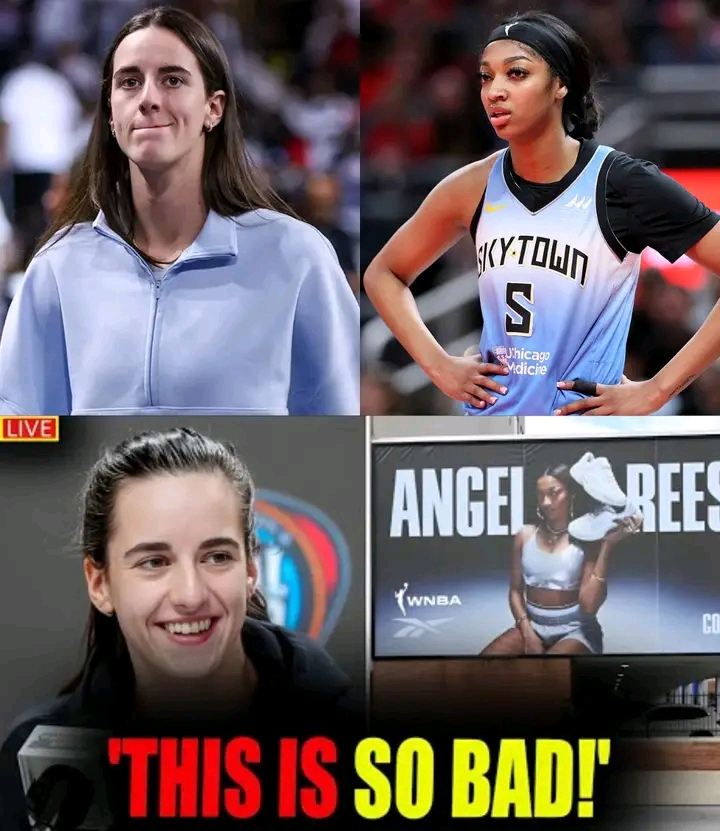
Reese attempted to introduce her new Reebok signature shoe in Indianapolis, a city deeply tied to Caitlin Clark’s rise and popularity. The launch coincided with a moment when Clark was sidelined due to injury, leading many fans to interpret the move as calculated and opportunistic rather than strategic. The campaign, branded around the idea of staking claim in another star’s territory, drew immediate scrutiny.
Instead of generating excitement, the move appeared to have the opposite effect. With Clark absent from the court, All-Star Game viewership reportedly dropped by 36 percent, and ticket prices fell by nearly half. For many observers, these numbers reinforced just how much Clark’s presence influences fan engagement and overall interest.
Online reactions were swift and unforgiving. Critics labeled the campaign as “clout chasing,” arguing that Reese was leaning too heavily on Clark’s name and market rather than building her own independent narrative. The backlash sparked broader debates about authenticity, rivalry marketing, and whether controversy can truly substitute for organic fan support.
In the end, the episode highlighted a larger reality within women’s basketball marketing: star power matters, but perception matters just as much. As the league continues to grow, moments like this underline the challenge players face in balancing bold promotion with respect for the fan bases and figures that drive the game’s popularity.