growing clash between political authority and religious leadership has taken center stage, as former U.S. President Donald Trump publicly criticized Pope Leo XIV, one of the most influential voices calling for peace amid global conflict. The pope had recently spoken out against the ongoing war in the Middle East, condemning violence, materialism, and what he described as the moral failings driving instability. His remarks, aimed at promoting restraint and reflection, appear to have provoked a sharp response from Trump.
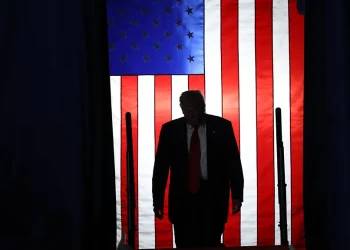
In a lengthy social media post, Trump launched a direct and personal attack on the pontiff, questioning both his leadership and political stance. He portrayed the pope as overly liberal and ineffective on key issues such as crime and foreign policy, while also making the striking claim that his own presidency played a role in Leo’s rise to the papacy. The comments were delivered shortly after a weekend marked by political tension, including unsuccessful diplomatic efforts abroad and public appearances at high-profile events.
The exchange highlights a stark contrast in leadership styles between the two figures. While Pope Leo has consistently emphasized peace, humility, and moral responsibility, Trump’s approach has been more confrontational, often escalating disagreements through public statements. Despite previously avoiding direct confrontation, the pope has grown increasingly vocal in his criticism of policies linked to the administration, particularly regarding military actions and the use of religious language to justify conflict.
Religious leaders and members of the Catholic community were quick to respond to the remarks, with several prominent figures defending the pope’s position. They emphasized that his role is rooted in spiritual guidance rather than political rivalry, expressing concern over the tone and nature of the criticism. The backlash reflects a broader unease among some observers about the intersection of politics, religion, and public discourse.
At its core, the situation underscores deeper tensions surrounding global conflict, leadership responsibility, and the influence of powerful voices on public opinion. As the war continues and debates intensify, the disagreement between Trump and Pope Leo serves as a vivid example of how differing worldviews can shape responses to crisis. It also signals that conversations about morality, authority, and accountability are far from settled in today’s political landscape.