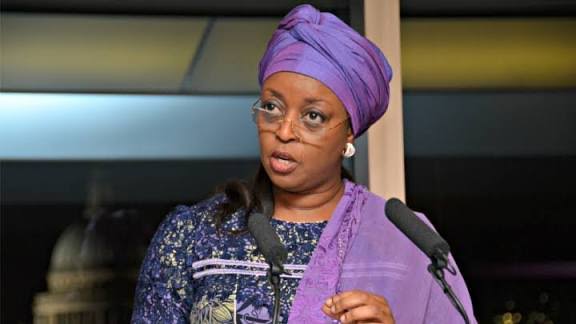
A UK court has drawn significant international attention after naming prominent Nigerian figures Bola Ahmed Tinubu, Yemi Osinbajo, and Babafemi Aluko during proceedings in the ongoing corruption trial involving former Nigerian petroleum minister Diezani Alison-Madueke. The development has intensified public scrutiny of one of the most closely followed financial crime cases linked to Nigeria’s oil sector.
The trial, which centers on allegations of large-scale corruption and illicit financial flows during Alison-Madueke’s tenure, has examined complex networks of transactions, political connections, and corporate dealings. During recent court sessions, the names of Tinubu, Osinbajo, and Aluko were referenced in relation to evidence and testimonies presented as part of the prosecution’s wider narrative.
Legal observers were quick to note that being named in court proceedings does not automatically imply wrongdoing. The references were made in the context of tracing financial movements, political interactions, and historical relationships connected to the case. No formal charges were announced against Tinubu or Osinbajo during the hearing, and neither has been declared a defendant in the trial.
The mention of such high-profile figures has nonetheless sparked intense debate in Nigeria and among the diaspora, with reactions ranging from calls for transparency to cautions against drawing premature conclusions. Analysts emphasize that UK courts operate under strict evidentiary standards, and the outcome of the trial will depend solely on the facts established before the court.
Diezani Alison-Madueke, who has long denied allegations of corruption, remains at the center of the case as prosecutors continue to outline what they describe as a sophisticated system used to divert public funds. The trial is expected to continue with further testimony and examination of financial records.
As proceedings unfold, attention remains firmly fixed on the court’s findings and their broader implications. For now, the naming of Tinubu, Osinbajo, and Aluko marks a notable moment in the trial, underscoring the far-reaching scope of the investigation and the enduring global interest in accountability and governance linked to Nigeria’s oil wealth.