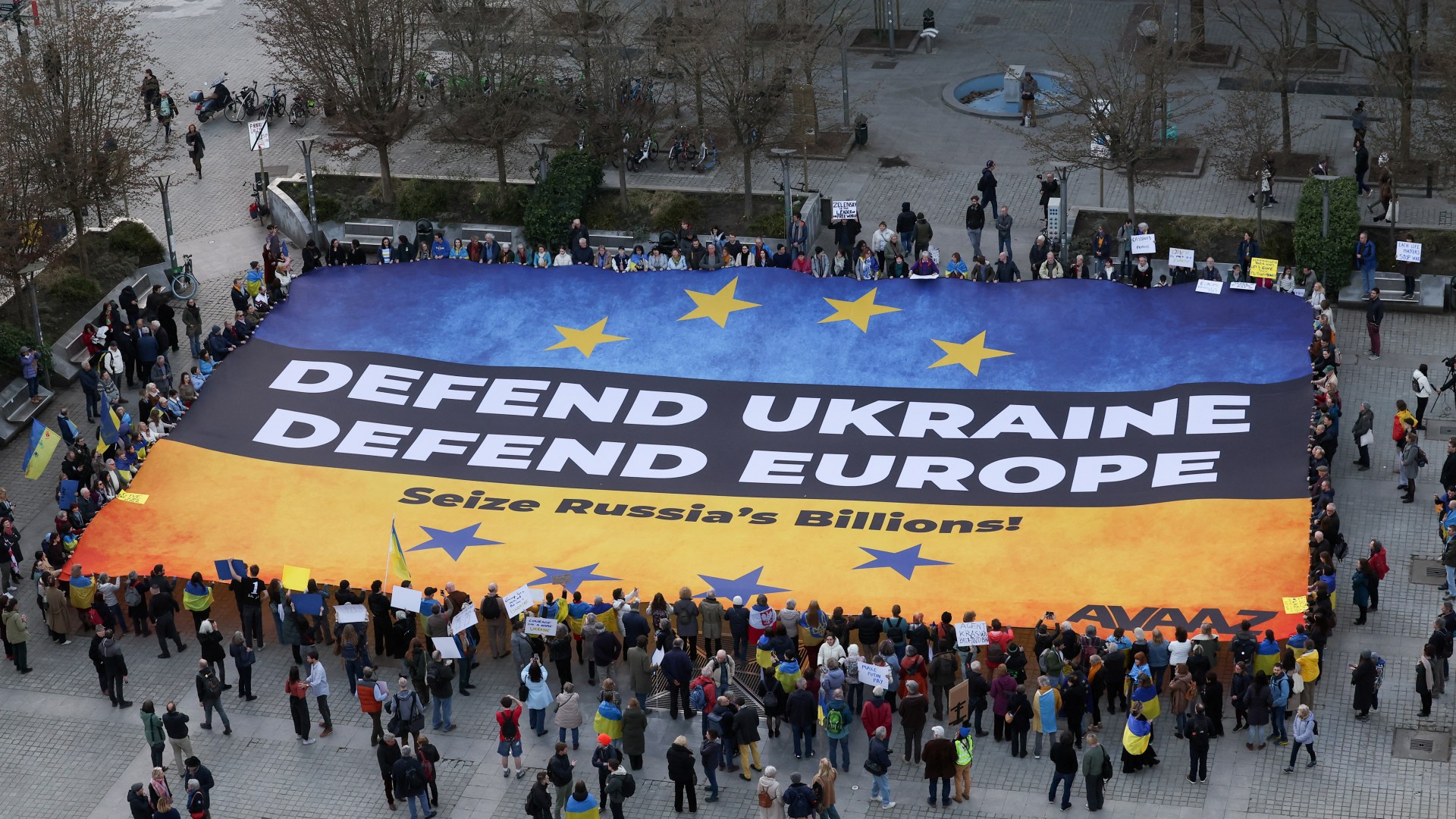
In a significant escalation of financial backing from the European Union, the European Parliament has approved a €90 billion support package aimed at sustaining Ukraine’s economy and defence amid intensifying Russian military attacks. This marks one of the largest coordinated financial interventions by the EU since the start of Russia’s full-scale invasion in 2022 — underscoring Europe’s commitment to Kyiv’s resilience and long-term stability.
The €90 billion package, agreed by EU leaders at a summit in Brussels in December 2025 and subsequently endorsed by the European Parliament, is structured as a multi-year support loan covering Ukraine’s financial needs for 2026 and 2027. Lawmakers in the Parliament voted to advance the use of an enhanced cooperation mechanism, allowing willing EU member states to move forward collectively with joint action where unanimity across all 27 EU countries could not be reached.
Breakdown and Purpose of the Support
The financial assistance is designed to address both Ukraine’s defence requirements and its broader budgetary needs:
- Military and defence support: Around €60 billion is earmarked to bolster Ukraine’s armed forces, enabling the procurement of weapons, equipment, and other defence capabilities crucial for withstanding ongoing Russian offensives.
- Budget and economic stability: The remaining €30 billion will support general government expenditures, helping Kyiv maintain essential public services and economic functions as the war exerts sustained pressure on state finances.
The funds will be raised on the capital markets through joint EU borrowing, backed by available EU budget headroom. Repayment terms stipulate that Ukraine would begin reimbursing the loan only after Russia compensates the country for war-related damages, with the EU retaining the option to use immobilised Russian assets as a guarantee under international law.
Why the Package Matters Now
The approval comes at a critical moment in the nearly four-year conflict, as Ukrainian forces continue to face intensifying Russian attacks, particularly targeting energy infrastructure and civilian areas. The economic strain on Kyiv’s government is acute, with officials warning that without substantial external aid, Ukraine could face severe budget shortfalls by the spring of 2026.
EU officials and Ukraine’s leadership alike have stressed the importance of predictable, long-term financial support to sustain military operations and public services, while also signalling a united front against Russian aggression. The broad parliamentary approval reflects a clear message from European lawmakers that support for Ukraine will remain a priority.
Political and Geopolitical Context
The use of enhanced cooperation — a mechanism allowing a subset of member states to proceed when unanimity is unattainable — highlights the complex political landscape within the EU. Some member states opted out of backing the package fully, necessitating this procedural route to deliver support swiftly.
This financial lifeline not only aims to mitigate the immediate pressures of war but also aligns with broader European objectives of stabilising Ukraine as it seeks stronger ties with the EU and moves toward eventual accession. By reinforcing Kyiv’s economic and defence capacities, European leaders hope to strengthen Ukraine’s negotiating position and enhance prospects for a durable peace.
Looking Ahead
With the support package now formally approved by the European Parliament, implementation steps are expected to unfold rapidly. EU institutions plan to begin issuing the necessary debt instruments and disbursing funds as early as the second quarter of 2026, providing a crucial financial bridge for Ukraine in the months ahead.
This €90 billion commitment represents one of the most consequential gestures of European solidarity in the conflict, reaffirming the EU’s role as a key partner in Ukraine’s defence and recovery.