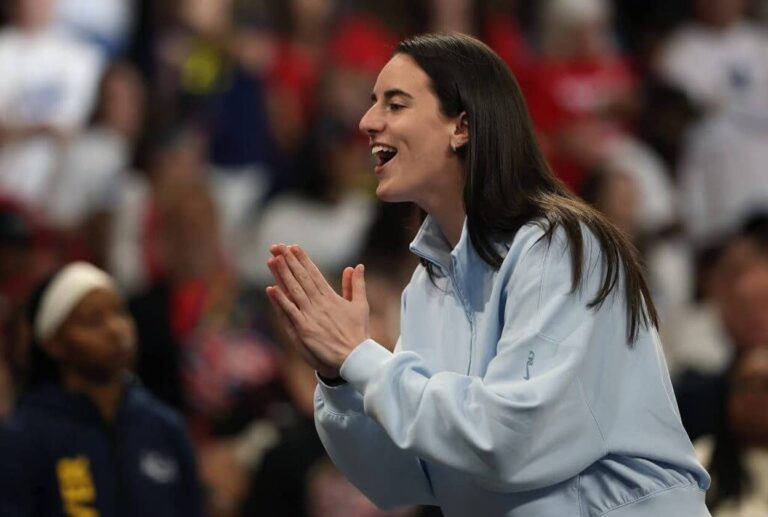
Caitlin Clark’s arrival in the WNBA was supposed to mark a defining moment for the league. Viewership numbers climbed, arenas filled up, and a wave of new fans began paying attention in ways the league had long hoped for. On the surface, it looked like a breakthrough that could reshape women’s professional basketball overnight.
According to those close to the league, this moment highlighted a gap between popularity and infrastructure. While Clark’s presence amplified interest, it also brought scrutiny to decisions made under Commissioner Cathy Engelbert’s leadership. Insiders argue that star power alone cannot fix structural challenges without systems in place to support sustained expansion.
The situation has sparked wider discussion among fans and players alike. Many welcomed the increased visibility but questioned why lingering issues—such as limited broadcast reach and uneven investment—were not addressed sooner. The conversation has shifted from celebrating growth to examining how well the league is equipped to handle it.
In the end, Clark’s impact may be less about immediate solutions and more about forcing overdue conversations. Her arrival accelerated attention, but it also revealed that long-term success requires more than momentum. As the WNBA looks ahead, insiders believe this period could become a turning point for how the league plans its future and responds to rising expectations.