

















The WNBA has officially unveiled its 2026 season schedule, but the announcement has sparked concern rather than celebration among players and fans alike. With no new Collective Bargaining Agreement (CBA) finalized, many are questioning how the league plans to move forward amid unresolved labor issues. The milestone 30th anniversary season is set to tip off on May 8, yet uncertainty surrounding player compensation and league revenue threatens to overshadow the excitement.
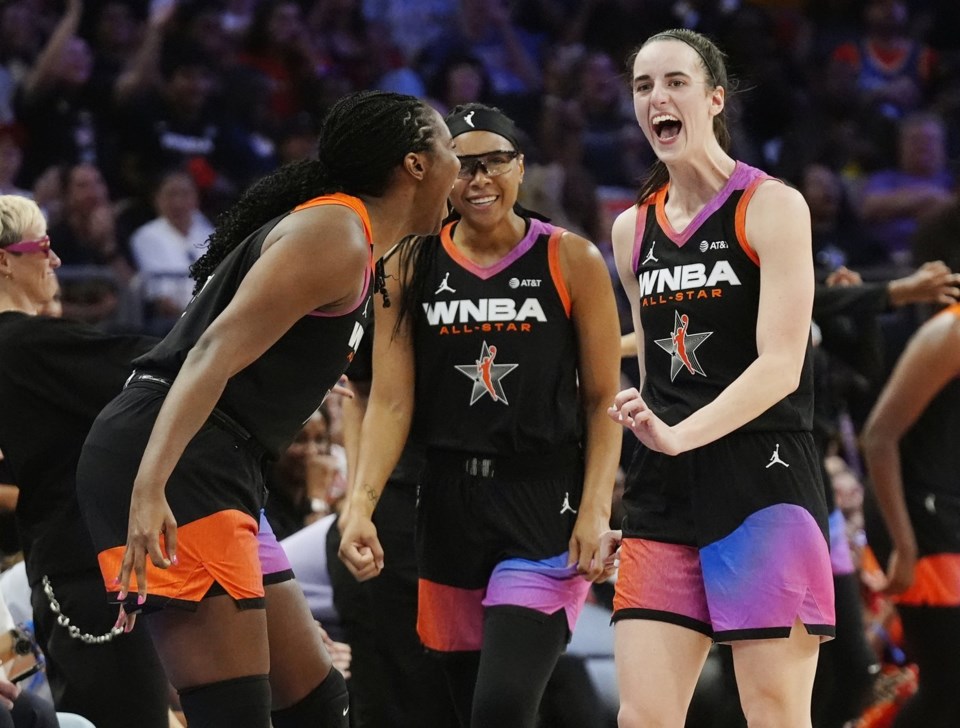
According to the newly released schedule, all 15 teams will compete in a 44-game season, evenly split between home and away matchups, concluding on September 24. The calendar features several high-profile games, including a June 21 contest between the Los Angeles Sparks and New York Liberty that honors the league’s first-ever game in 1997. The WNBA Commissioner’s Cup will return with games beginning June 1, culminating in a championship on June 30, while the All-Star Game is slated for July 25.
League officials have framed the schedule as a reflection of growth and progress, highlighting expansion to new markets and a renewed focus on celebrating the league’s history. However, many fans are less focused on marquee matchups and more concerned about the stalled negotiations between the league and the players’ association. Talks have remained at a standstill since the previous CBA expired in late October, with core disagreements centering on salary cap increases and revenue sharing.
Frustration has spilled onto social media, where supporters and players alike have criticized the league for prioritizing scheduling announcements over resolving labor concerns. Players have used their platforms to demand action, emphasizing that the league’s success is built on their contributions. Statements circulating online stress that ongoing delays risk undermining the future of women’s professional basketball, calling on fans to stand in solidarity and pressure league leadership to reach a fair agreement.
Despite the tension hanging over the upcoming season, the growing public support for players could become a catalyst for change. As the WNBA enters a landmark year, how it addresses transparency, fairness, and player demands may ultimately define the league’s next era—either strengthening its foundation or deepening the divide at a pivotal moment.