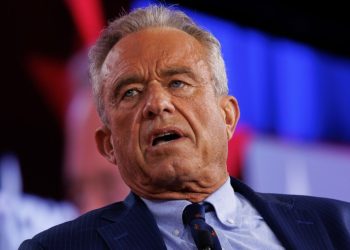
Donald Trump has delivered a pointed message to the international community, taking aim at the United Nations while reinforcing his “America First” stance. His remarks signal a clear departure from traditional diplomatic approaches, suggesting a shift in how the United States intends to engage with global institutions. The tone of the message was firm and unapologetic, emphasizing national priorities over multilateral cooperation.
At the core of Trump’s position is a belief that international organizations have not always served American interests effectively. By criticizing the role of the UN, he underscored a broader argument that the U.S. should focus more on strengthening its own economy and influence rather than relying on global frameworks. This perspective reflects a continued push toward policies that prioritize domestic growth and independence.
The implications of this shift could be far-reaching, particularly in how the U.S. conducts trade and foreign policy moving forward. A stronger emphasis on national interests may reshape alliances and alter long-standing international relationships. While some view this approach as a necessary correction, others see it as a move that could challenge global cooperation.
One area expected to benefit from this strategy is American business. With policies geared toward boosting local industries and reducing reliance on international systems, U.S. companies may find new opportunities for growth. This could include favorable trade conditions, reduced competition from abroad, and policies designed to keep economic gains within the country.
Overall, Trump’s message marks a notable moment in the evolving global landscape. By doubling down on an “America First” agenda and questioning established international norms, he is signaling a potential redefinition of the United States’ role on the world stage—one that places national interests firmly at the forefront.